



- Your cart is empty
- Continue shopping


How to prevent the transmission of germs: learn with Machadinho
-
admin
- Posted on
- Categories:Hygiene and Prevention
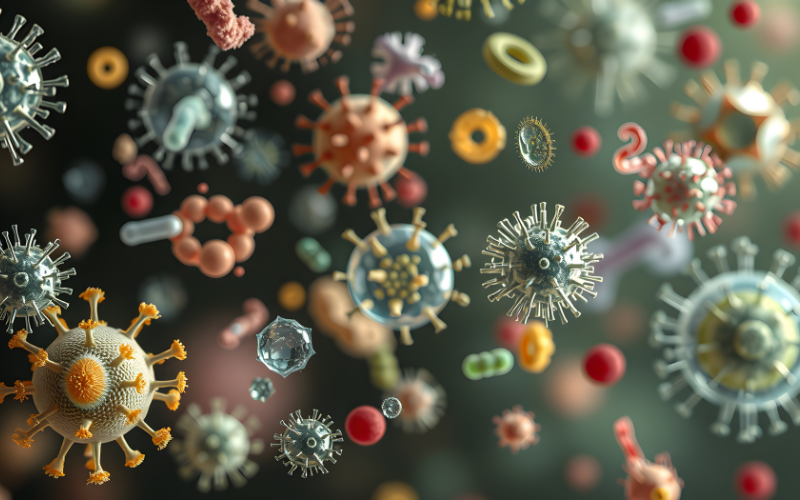
Machadinho is your guide on this learning journey. He will help you understand how small actions can make a big difference to your health and the health of the people around you.
Some microbes are so small that we cannot see them without the help of a microscope. Some are harmless, but others can cause illness. They can be found on our hands, in the air, on objects, in food and on the surfaces we touch every day.
Microbes can pass from one person to another when we cough, sneeze, touch shared objects or touch our faces with dirty hands. The good news is that there are simple actions that can help reduce this risk.
Washing your hands, covering your mouth and nose when you cough or sneeze, using tissues and not sharing certain personal items are habits that help protect you and others.
Machadinho says: “Small actions help keep microbes away.”
What are microbes?
“Microbe” is a word used to describe very small organisms, such as certain bacteria, viruses and fungi.
Not all microbes cause illness. Some microbes live in our bodies and are important for our health. However, others can enter the body and cause colds, flu, stomach problems or other infections.
Microbes can enter the body through:
the mouth;
the nose;
the eyes;
small cuts or wounds in the skin;
contaminated food or water.
For this reason, it is important to keep your hands clean and avoid touching your face unnecessarily.
How do microbes pass from one person to another?
Microbes can spread in several ways. They can travel in the small droplets we release when we speak, cough or sneeze. They can also remain on our hands, toys, door handles, tables and other objects that many people touch.
For example, if someone coughs into their hands and then touches a door handle, some microbes may remain on that surface. Another person may touch the same door handle and then touch their eyes, nose or mouth.
This is why washing your hands and coughing correctly are two very important actions.
Machadinho says: “Microbes may be small, but your precautions can make a very big difference.”
Why should we wash our hands?
Our hands are always busy. They touch toys, books, tables, mobile phones, animals, food and many other things.
Some of these surfaces may have microbes on them. When you touch your mouth, nose or eyes with dirty hands, these microbes may enter your body. You may also pass them to other people through a hug, a handshake or a shared object.
Washing your hands with soap and water helps remove dirt and microbes. It is one of the simplest ways to prevent the spread of respiratory infections and gastrointestinal illnesses. Encouraging this habit in schools can also help reduce illness and health-related absences.
Machadinho says: “Clean hands help prevent microbes from entering the body and spreading to other people.”
When should you wash your hands?
You should wash your hands:
before eating;
after using the toilet;
after coughing, sneezing or blowing your nose;
after playing outdoors;
after touching animals;
after handling rubbish;
when you arrive home;
whenever they are visibly dirty;
before and after helping someone who is ill.
You do not need to wash your hands all the time. The most important thing is to wash them at times when you are more likely to have come into contact with microbes.
How should you wash your hands properly?
To wash your hands properly, follow these five steps:
Wet your hands under running water.
Apply soap and rub the palms of your hands together.
Rub the backs of your hands, between your fingers, around your thumbs, over your fingertips and around your nails.
Rinse your hands under running water until all the soap has been removed.
Dry your hands thoroughly with a clean towel, paper towel or hand dryer.
You should rub your hands with soap for at least 20 seconds. You can slowly count to 20 or sing a short song you know twice.
Can I use hand sanitizer?
When soap and water are not available, a hand sanitizer containing at least 60% alcohol can help clean your hands.
However, hand sanitizer does not always replace handwashing. If your hands are visibly dirty, after using the toilet or after handling rubbish, you should wash them with soap and water.
Younger children should use hand sanitizer with the help of an adult. The product must not be put in the mouth or used near the eyes.
Why should we cover our mouths when coughing or sneezing?
When you cough or sneeze, you release small droplets that may contain microbes. These droplets can reach people nearby or land on tables, toys and other objects.
If you do not cover your mouth and nose, you increase the possibility of passing microbes to other people.
What is the correct way to cough or sneeze?
The correct way is to:
use a tissue to cover your mouth and nose;
throw the tissue in the bin immediately after using it;
wash your hands afterwards;
use the inside of your elbow when you do not have a tissue.
You should not cough or sneeze into your hands. Your hands touch many objects and can spread microbes quickly.
Machadinho’s simple rule: “Did you cough or sneeze? Use a tissue or your elbow.”
How should you use tissues correctly?
A tissue helps you clean your nose and cover your mouth and nose when you cough or sneeze.
To use it correctly:
Take a clean tissue.
Cover your mouth and nose completely.
Use the tissue only once.
Throw it in the bin.
Wash your hands.
Do not leave a used tissue on a table, in your pocket or next to your toys. Microbes in bodily secretions can pass to your hands and other objects.
Machadinho says: “Use it, throw it away and wash your hands.”
How can you protect your friends and family?
Your actions affect the people around you. At school, at home, during sports activities and in shared spaces, microbes can pass easily between people.
You can spread an illness without realising it. This is why good habits are important every day, not only when someone is ill.
Do not share objects that come into contact with the mouth.
Avoid sharing:
cups;
water bottles;
straws;
cutlery;
toothbrushes;
lipsticks and lip balms;
wind instruments that have not been properly cleaned.
You can share toys, books and games, but you should wash your hands and help keep these objects clean.
Avoid touching your face
The eyes, nose and mouth are some of the main entry points for microbes.
Try not to touch your face, especially when you have not yet washed your hands. This is particularly important after playing outdoors, touching shared objects or travelling on public transport.
Give space to someone who is ill
When someone is ill, they may cough, sneeze or spread microbes through their hands and the objects they use.
You do not need to leave that person alone. You can show that you care without sharing cups, cutlery or towels, and without staying too close when the person is coughing or sneezing.
Machadinho says: “Every action you take can protect a friend.”
Why is it important to keep rooms well ventilated?
When many people spend a long time in an enclosed space, some respiratory microbes can build up in the air.
Opening the windows, when it is safe to do so, helps refresh the air. In the classroom or at home, an adult can check whether the space is properly ventilated.
Ventilation does not replace handwashing or good respiratory etiquette. It is an additional form of protection that works best when combined with other precautions.
Should we clean objects and surfaces?
Surfaces that are touched frequently can collect dirt and microbes. These include door handles, light switches, tables, remote controls, keyboards, mobile phones and certain toys.
Regular cleaning with suitable products helps remove dirt and microbes from these surfaces. This task should be carried out by an adult, especially when cleaning or disinfecting products are used.
Children can help put their toys away and keep spaces tidy, but they should not use cleaning products without adult supervision.
When might it be necessary to wear a mask?
A mask can provide additional protection in certain situations, such as when there are many cases of a respiratory illness, when someone is ill or when a healthcare professional recommends wearing one.
Masks can help reduce the spread of respiratory infections when they are suitable, fit properly and are worn correctly and consistently. Respirators offer greater protection in certain healthcare settings, but they are not necessary in every everyday situation.
Children should wear a mask that is suitable for the size of their face and should have help from an adult. The mask should:
cover the nose, mouth and chin;
fit properly without large gaps at the sides;
allow the child to breathe comfortably;
be changed when it becomes damp, dirty or damaged;
be used in accordance with the recommendations of the health authorities.
A mask does not replace handwashing, ventilation or covering your mouth and nose when coughing or sneezing.
Machadinho says: “Protection works best when it is used correctly.”
What should you do when you are ill?
When you have a fever, a severe cough, vomiting, diarrhoea, pain or do not feel well, you should tell an adult immediately.
Staying at home while you are ill can help your body recover and reduce the spread of microbes to your classmates. An adult should follow the recommendations provided by a doctor, pharmacist, school or health authority.
Do not hide your symptoms because you are afraid of missing school or an activity. Explaining how you feel is a way of taking care of yourself.
When can you return to school?
The right time depends on the illness and your symptoms.
In general, you should return when:
you no longer have a fever;
you feel well enough to take part in activities;
the vomiting or diarrhoea has stopped;
an adult or healthcare professional believes that you can return;
the school’s specific rules have been followed.
Some illnesses require different precautions or periods away from school. For this reason, an adult should always confirm the appropriate recommendations.
Sleeping well helps your body work better
Sleep allows your body and brain to recover from the day. While you sleep, your body carries out several important tasks related to growth, memory, learning and the functioning of its natural defences.
When you do not get enough sleep, you may feel more tired, irritable and have difficulty concentrating.
To sleep better:
try to go to bed and wake up at similar times each day;
avoid mobile phones, tablets and television close to bedtime;
keep your bedroom calm and quiet;
ask an adult for help if you have difficulty falling asleep.
Machadinho says: “Sleeping well helps your body prepare for a new day.”
The main precautions you should take every day
Wash your hands – this helps remove dirt and microbes.
Cough or sneeze into your elbow – this helps prevent droplets from reaching people and objects.
Use tissues correctly – use each tissue once, throw it in the bin and wash your hands.
Avoid touching your eyes, nose and mouth – this reduces the possibility of microbes entering your body through your hands.
Avoid sharing cups, bottles or cutlery – this prevents contact with other people’s saliva and bodily secretions.
Ventilate enclosed spaces – this helps refresh the air in indoor areas.
Tell an adult when you feel ill – this allows you to receive the appropriate care and helps protect other people.
Conclusion
Small actions have a real impact on our health.
Washing your hands, coughing into your elbow, using tissues correctly, keeping rooms well ventilated and not sharing personal items can help reduce the spread of microbes.
You cannot avoid every microbe, and you do not need to be afraid of them. The aim is to learn simple and appropriate precautions that you can follow at home, at school and in the other places where you spend your day.
Every child has an important role in protecting their family, friends and community.
Machadinho says: “Do the right thing every day and you will help keep everyone better protected.”
There isn’t a set number for every day. You should wash your hands at important times, such as before eating, after using the bathroom, after coughing or sneezing, and when they are dirty.
You should rub your hands with soap and water for at least 20 seconds.
Water can remove some dirt, but soap helps to better remove microbes and other substances from your hands.
No. You should use a tissue or the inside of your elbow. If you cough into your hands, wash them immediately afterwards.
Use a tissue when you need to blow your nose, cough, or sneeze. Use it only once and throw it in the trash.
It is not advisable. A used tissue may contain secretions and microbes. Throw it in the trash and wash your hands.
It is not recommended, because these items come into contact with the mouth and saliva.
Not always. The gel can help when soap and water aren’t available, but you should wash your hands when they are visibly dirty and after using the bathroom.
Because some microbes can enter the body through the eyes, nose, and mouth.
Tell an adult if you have a fever, are vomiting, have diarrhea, have a bad cough, or aren’t feeling well. The adult should decide what to do based on the symptoms and health guidelines.
It depends on the cause of the fever and your general condition. An adult needs to confirm that you are well enough and that the guidelines from the school or healthcare professional have been followed.
No. A mask provides additional protection in certain situations. You should continue to wash your hands, cough correctly, and help keep spaces well-ventilated.
Yes. Regularly cleaning shared objects helps remove dirt and germs. Cleaning products should be used by an adult.
Bibliographic References
Centers for Disease Control and Prevention. (2007). 2007 guideline for isolation precautions: Preventing transmission of infectious agents in healthcare settings.
Centers for Disease Control and Prevention. (2024). About handwashing.
Centers for Disease Control and Prevention. (2024). About hand hygiene in schools and early care and education settings.
Centers for Disease Control and Prevention. (2024). Healthy habits: Coughing and sneezing.
Greenhalgh, T., MacIntyre, C. R., Baker, M. G., et al. (2024). Masks and respirators for prevention of respiratory infections: A state of the science review. Clinical Microbiology Reviews, 37(2), e00124-23. https://doi.org/10.1128/cmr.00124-23
MacIntyre, C. R., Chughtai, A. A., Kunasekaran, M., Tawfiq, E., & Greenhalgh, T. (2025). The role of masks and respirators in preventing respiratory infections in healthcare and community settings. BMJ, 388, e078573. https://doi.org/10.1136/bmj-2023-078573
Offeddu, V., Yung, C. F., Low, M. S. F., & Tam, C. C. (2017). Effectiveness of masks and respirators against respiratory infections in healthcare workers: A systematic review and meta-analysis. Clinical Infectious Diseases, 65(11), 1934–1942. https://doi.org/10.1093/cid/cix681
Tags:
